
Learning Center
What Does a Doula Do? Doula Support in Humboldt County
A doula provides educational, emotional, physical, and advocacy support through pregnancy, birth, and postpartum so families in Eureka, Arcata, McKinleyville, Fortuna, and Humboldt County feel more informed, supported, and heard.
“We are not there to make choices for clients. We are there to help families feel confidently informed about the choices they make for their bodies and their babies.”
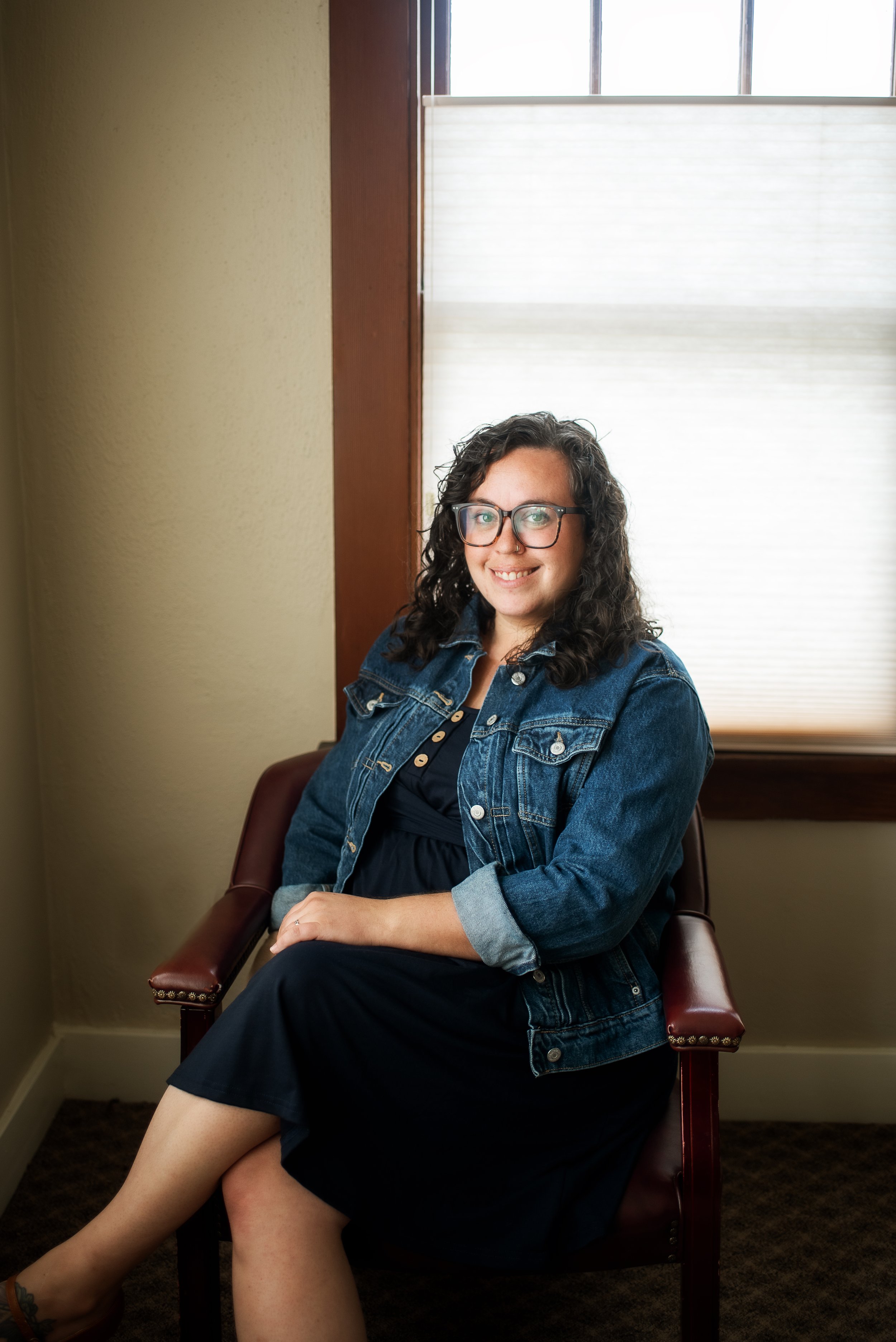
About the author
Sarah Torres, Founder & Lead Doula
Sarah Torres founded Nueva Vida Doula to help Humboldt families feel informed, respected, and deeply supported. Supporting families since 2015, she brings birth support, childbirth education, lactation guidance, advocacy, fluent Spanish support, and whole-family care to the families she serves.
Meet Sarah →What is a doula?
A doula is a trained support person who helps families prepare for birth, understand their options, feel cared for during labor, and settle into the postpartum transition with more support.
Doulas are not medical providers. A doula does not diagnose, prescribe, perform medical procedures, or make decisions for a client. Instead, a doula supports the family’s comfort, communication, preparation, and informed decision-making while doctors, midwives, nurses, clinics, and hospitals provide clinical care.
For many families, doula birth support feels like having someone nearby who understands the plan, knows the family’s preferences, can help slow down confusing moments, and can support both the birthing person and their loved ones.
What doula support can include
Every family is different, but doula support often includes four connected kinds of care: educational support, emotional support, physical comfort, and advocacy or communication support.
Educational support
Doulas help families find answers to questions that may come up between clinic visits, during prenatal preparation, or while choices are being discussed in labor. A doula can help you think through what to ask your provider and understand information in plain language.
Emotional support
Pregnancy, labor, birth, and postpartum can bring big feelings. Doulas offer reassurance, listening, grounding, and steady presence when families are processing body changes, lifestyle changes, fear, excitement, or uncertainty.
Physical comfort
During pregnancy, a doula may suggest comfort ideas such as stretches, rest strategies, or sleep positions. During labor, a doula may support movement, counter-pressure, position changes, breathing, and comfort measures within doula scope.
Advocacy & communication
Doulas help families communicate preferences, ask questions, and feel heard. A doula can help translate medical terminology into easier-to-understand language and support smoother communication between the family and the medical team.
Doulas support many kinds of birth
One of the most common misunderstandings is that doulas are only for home births, unmedicated births, or births without interventions. In reality, doula support can be helpful in many kinds of birth experiences.
Unmedicated birth
For families planning an unmedicated birth, doulas may offer comfort measures, position ideas, counter-pressure, breathing support, encouragement, and help involving the support team.
Epidural birth
A doula can still be helpful when someone chooses an epidural. With an epidural, the body may not give the same movement cues, so a doula can help suggest position changes, support rest, and keep the birth team involved.
Cesarean birth
For planned or unplanned cesarean births, doulas may help families understand what is happening, offer calming support, hold a client’s hand when allowed, and support preferences that are possible within hospital policy and medical safety.
A doula does not replace your partner
Another common concern is that hiring a doula will push a partner, family member, or friend out of the birth experience. A doula’s role is not to take the partner’s place. A doula helps partners feel more prepared, more useful, and less alone.
Birth partners often care deeply but may feel unsure when labor becomes intense. A doula can offer reassurance, suggest ways to help, remind partners to eat or rest when appropriate, and guide them into the birth space in ways that match what the birthing person wants.
Many people labor best with the people they trust most nearby. Partner support can strengthen that connection instead of replacing it.
What doulas do not do
Clear boundaries matter. Families deserve both skilled medical care and steady non-medical support.
- Doulas do not diagnose medical conditions.
- Doulas do not prescribe treatment or medication.
- Doulas do not perform medical procedures.
- Doulas do not make medical decisions for clients.
- Doulas do not replace doctors, midwives, nurses, clinics, hospitals, or emergency care.
- Doulas do not stop emergency medical care when urgent clinical decisions are being made.
In urgent or fast-moving situations, the medical team’s role is to provide clinical care. A doula may help the family stay oriented, understand what is being communicated, and feel less alone while things are moving quickly.
How support can change before, during, and after birth
Doula care is not only about the moment of birth. Support can begin during pregnancy and continue into postpartum.
-
Prenatal
During pregnancy, a doula may help with birth planning, preparation questions, comfort ideas, emotional support, facility tour reminders, and conversations about what the family hopes for during birth.
-
Birth
During labor and birth, a doula may support comfort, position changes, breathing, counter-pressure, partner involvement, communication, and reassurance as labor changes.
-
Postpartum
After birth, the Nueva Vida team can support families with postpartum care, newborn care rhythms, infant feeding questions, babywearing, sleep support, classes, groups, and other family-centered care during the first year postpartum.
What families can do next
Sarah often sees avoidable stress when families skip birth preparation because the topic feels overwhelming. You do not need to plan every detail, but a little preparation can help you feel more grounded.
What research says about continuous labor support
Research on continuous labor support has found that support during childbirth may increase spontaneous vaginal birth, shorten labor, reduce cesarean birth, reduce use of pain medication, and improve satisfaction with the birth experience. Research findings vary by setting and study design, so this should not be read as a guarantee for any individual birth.
The heart of doula care is not promising a specific outcome. It is helping families feel informed, supported, and heard while welcoming a new baby.
Cost, coverage, and private-pay options
Doula cost depends on the type of support, coverage, timing, and the family’s situation. Many families may qualify for doula support through Medi-Cal or Partnership; eligibility and plan details apply, and our office can help confirm next steps.
Private-pay options are also available. The best next step is to visit Coverage & Pricing or schedule a free consultation so Nueva Vida Doula can help you understand what may fit your family.
Common questions about doulas
How much does it cost to hire a doula?
Cost depends on the type of support, coverage, and the family’s situation. Many families may qualify for doula support through Medi-Cal or Partnership, eligibility and plan details apply, and private-pay options are also available. Our office can help confirm next steps.
Visit Coverage & Pricing to learn more.
How far along should I be when I hire a doula?
Families can reach out at many stages of pregnancy. Earlier support gives more time for preparation, questions, birth preferences, partner support, and comfort planning, but it is also okay to ask for help later in pregnancy.
Are doulas there for the whole labor?
Birth support details can vary by service, timing, location, and client needs. During a consultation, Nueva Vida Doula can explain what support looks like before labor, during labor, at the birth location, and after baby arrives.
Can a doula tell me when it is time to go to the hospital?
A doula can help you talk through what you are experiencing and remind you of guidance from your provider or birth facility. Medical advice about when to go in should come from your provider, midwife, hospital, clinic, or medical team.
Do doulas only support unmedicated birth?
No. Doulas can support unmedicated births, epidural births, planned cesarean births, unplanned cesarean births, and many different family preferences. The goal is not one specific kind of birth. The goal is informed, supported care.
Can I have a doula if I plan to get an epidural?
Yes. With an epidural, a doula can still support rest, reassurance, position changes, communication, partner involvement, and comfort in ways that fit the situation and medical guidance.
Can I have a doula for a cesarean birth?
Often, yes, depending on hospital policy, provider guidance, and the situation. A doula may support preparation before a planned cesarean, help families understand what is happening, and offer calm support during or around the birth when allowed.
Will a doula replace my partner?
No. A doula supports the partner too. Many partners feel more confident when they have someone nearby who can suggest comfort measures, explain what may be happening, and remind them how to care for themselves during a long labor.
Do you support Spanish-speaking families?
Yes. Se habla español. Families can ask about Spanish-language support when scheduling a consultation.
Sources and review notes
This article uses Sarah’s experience supporting families since 2015, along with public information from the sources below.
Ready for support?
Not sure what kind of doula care fits your family?
Start with a free consultation. We can talk through pregnancy, birth, postpartum, coverage questions, private-pay options, and what support may make sense for your family.